Cult of Sea

Maritime Knowledge base

  • Home
  • Knowledge base
    • Bridge Equipment
    • Cargo Work
    • Deck
    • General
    • Gmdss
    • Maritime Law
    • Marpol
    • MLC 2006
    • Meteorology
    • Navigation
    • Safety
    • Security
    • Ship Construction
    • Ship Handling
    • Ship Stability
    • Shippie’s Escape
    • Surveys
    • Tankers
  • Colreg’s (ROR)
    • Index (Colreg’s)
    • Part A- General
      • Rule 1 – Application
      • Rule 2 – Responsibility
      • Rule 3 – General Definitions
    • Part B- Steering and Sailing
      • Section 1 (Rule 4 -10)
        • Rule 4 – Application
        • Rule 5 – Lookout
        • Rule 6 – Safe Speed
        • Rule 7 – Risk of collision
        • Rule 8 – Action to avoid collision
        • Rule 9 – Narrow Channels
        • Rule 10 – Traffic separation schemes
      • Section 2 (Rule 11 – 18)
        • Rule 11 – Application
        • Rule 12 – Sailing vessels
        • Rule13 – Overtaking
        • Rule 14 – Head on situation
        • Rule 15 – Crossing situation
        • Rule 16 – Action by give-way vessel
        • Rule 17 – Action by stand-on vessel
        • Rule 18 – Responsibilities between vessels
      • Section 3 (Rule 19)
        • Rule 19 – Conduct of vessels in restricted visibility
    • Part C- Lights and Shapes
      • Rule 20 – Application
      • Rule 21- Definitions
      • Rule 22 – Visibility of lights
      • Rule 23 – Power-driven vessels underway
      • Rule 24 – Towing and pushing
      • Rule 25 – Sailing vessels underway and vessels under oars
      • Rule 26 – Fishing vessels
      • Rule 27 – Vessels N.U.C or R.A.M
      • Rule 28 – Vessels constrained by their draught
      • Rule 29 – Pilot vessels
      • Rule 30 – Anchored vessels and vessels aground
      • Rule 31 – Seaplanes
    • Part D- Sound and Light Signals
      • Rule 32 – Definitions
      • Rule 33 – Equipment for sound signals
      • Rule 34 – Manoeuvring and warning signals
      • Rule 35 – Sound signals in restricted visibility
      • Rule 36 : Signals to attract attention
      • Rule 37 – Distress signals
    • Part E- Exemptions (Rule 38)
      • Rule 38 – Exemptions
    • Part F – Verification of compliance with the provisions of the Convention
      • Rule 39 – Definitions
      • Rule 40 – Application
      • Rule 41 – Verification of compliance
    • Annexes
      • Annex 1 – Positioning and technical details of lights and shapes
      • ANNEX II – Additional Signals for Fishing Vessels Fishing in Close Proximity
      • ANNEX III – Technical Details of Sound Signal Appliances
      • ANNEX IV – Distress Signals
  • Glossary
  • Contact
You are here: Home / Colreg's / Part C- Lights and Shapes / Rule 21- Definitions
Part C Lights and Shapes

Rule 21- Definitions

Rule 21 Definitions

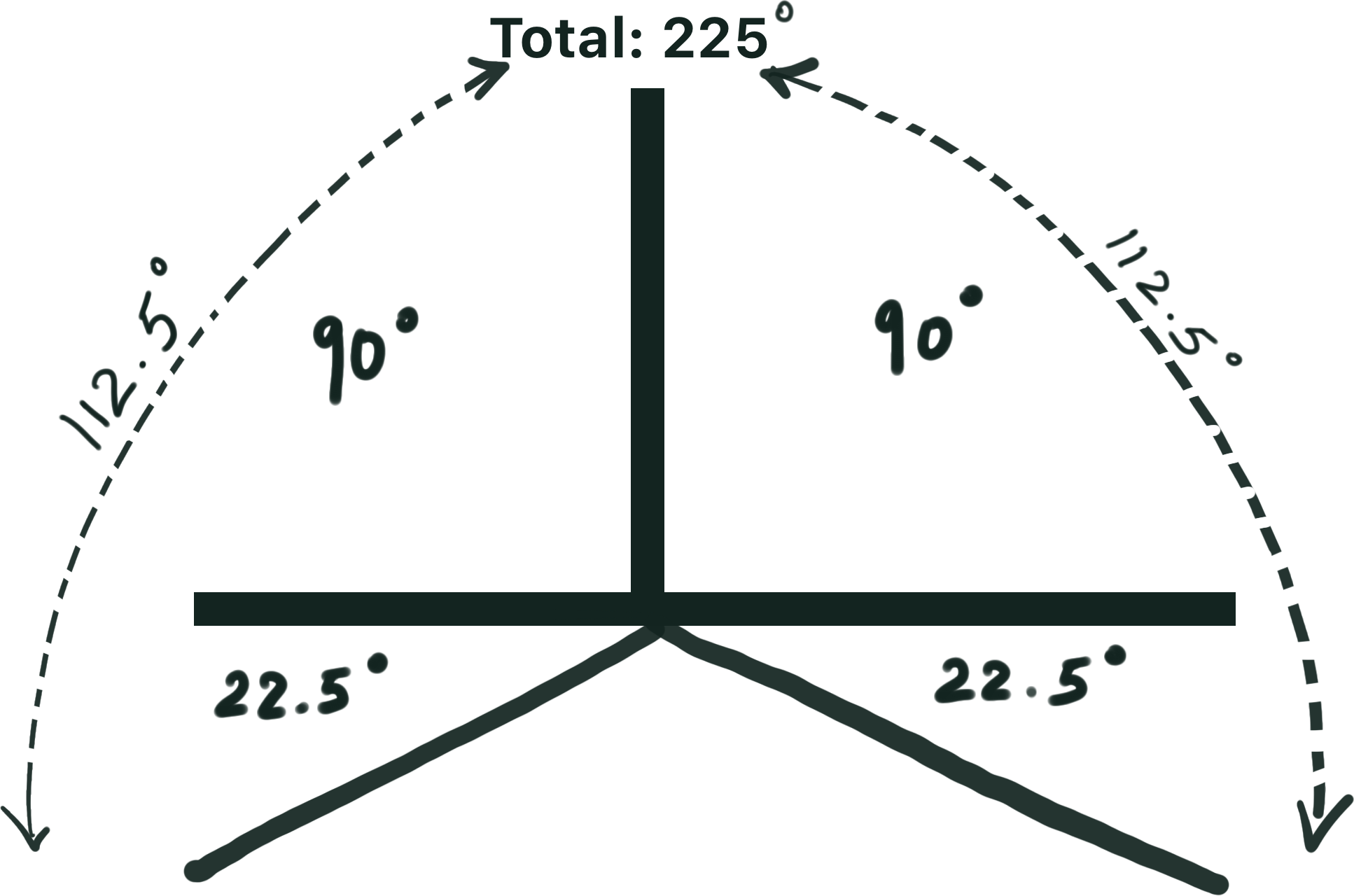
a. Masthead light means a white light placed over the fore-and-aft centerline of the vessel showing an unbroken light over an arc of the horizon of 225° and so fixed as to show the light from right ahead to 22.5° abaft the beam on either side of the vessel.
rule21_1

b.

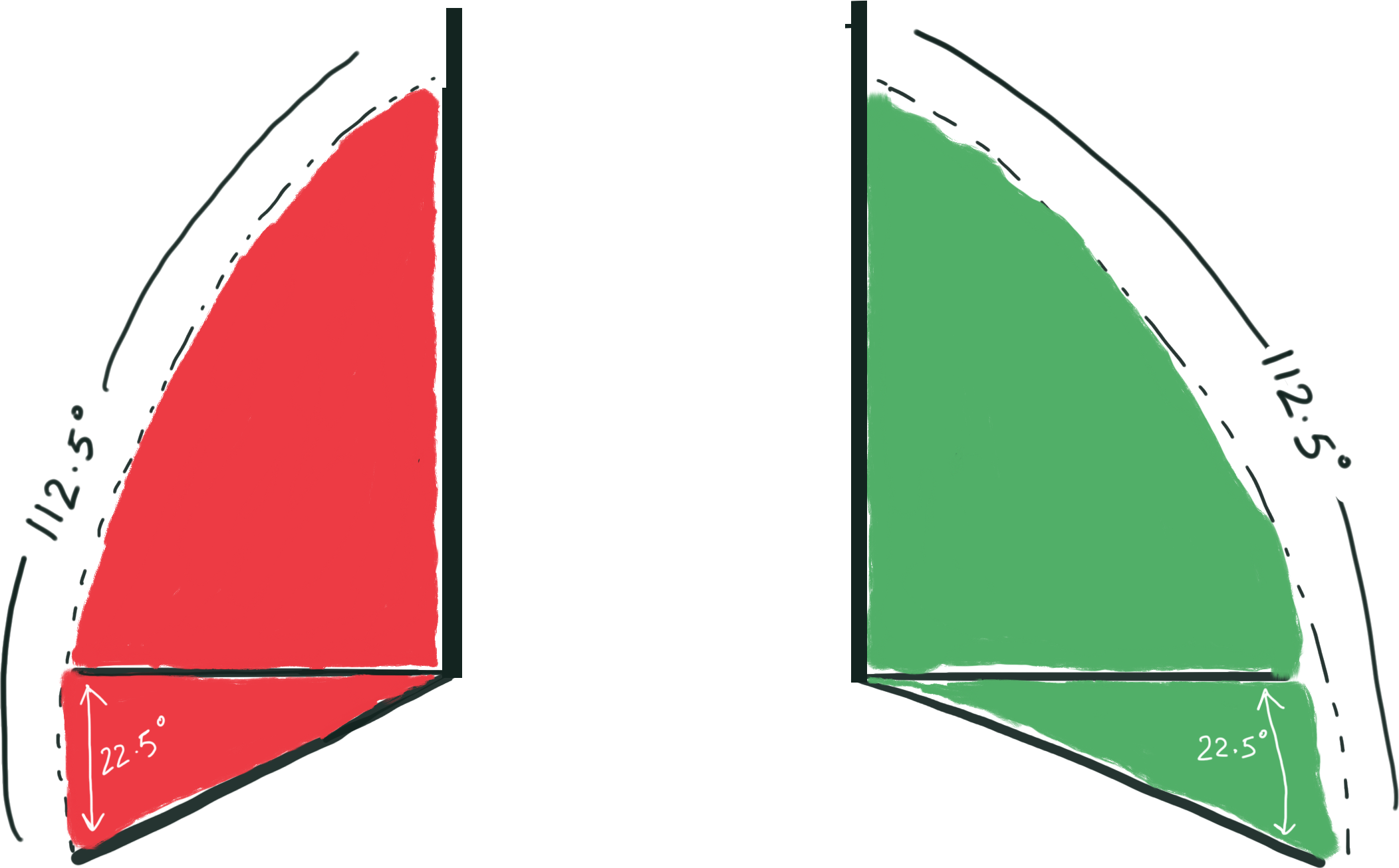
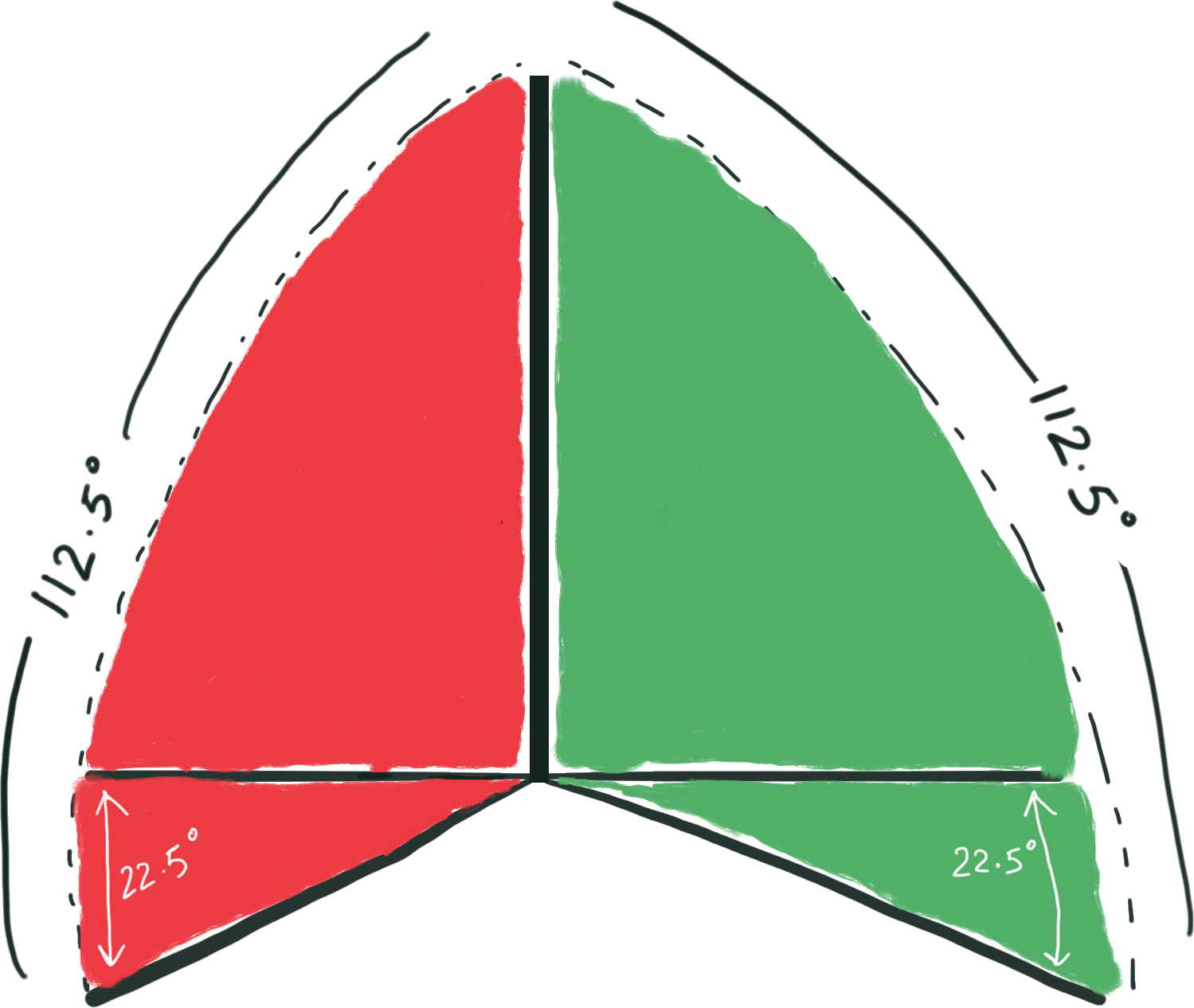
 Sidelights means a green light on the starboard side and a red light on the port side each showing an unbroken light over an arc of the horizon of 112.5° and so fixed as to show the light from right ahead to 22.5° abaft the beam on its respective side.

rule21_2

In a vessel of less than 20 m in length the sidelights may be combined in one lantern carried on the fore-and-aft centreline of the vessel.
rule21_3

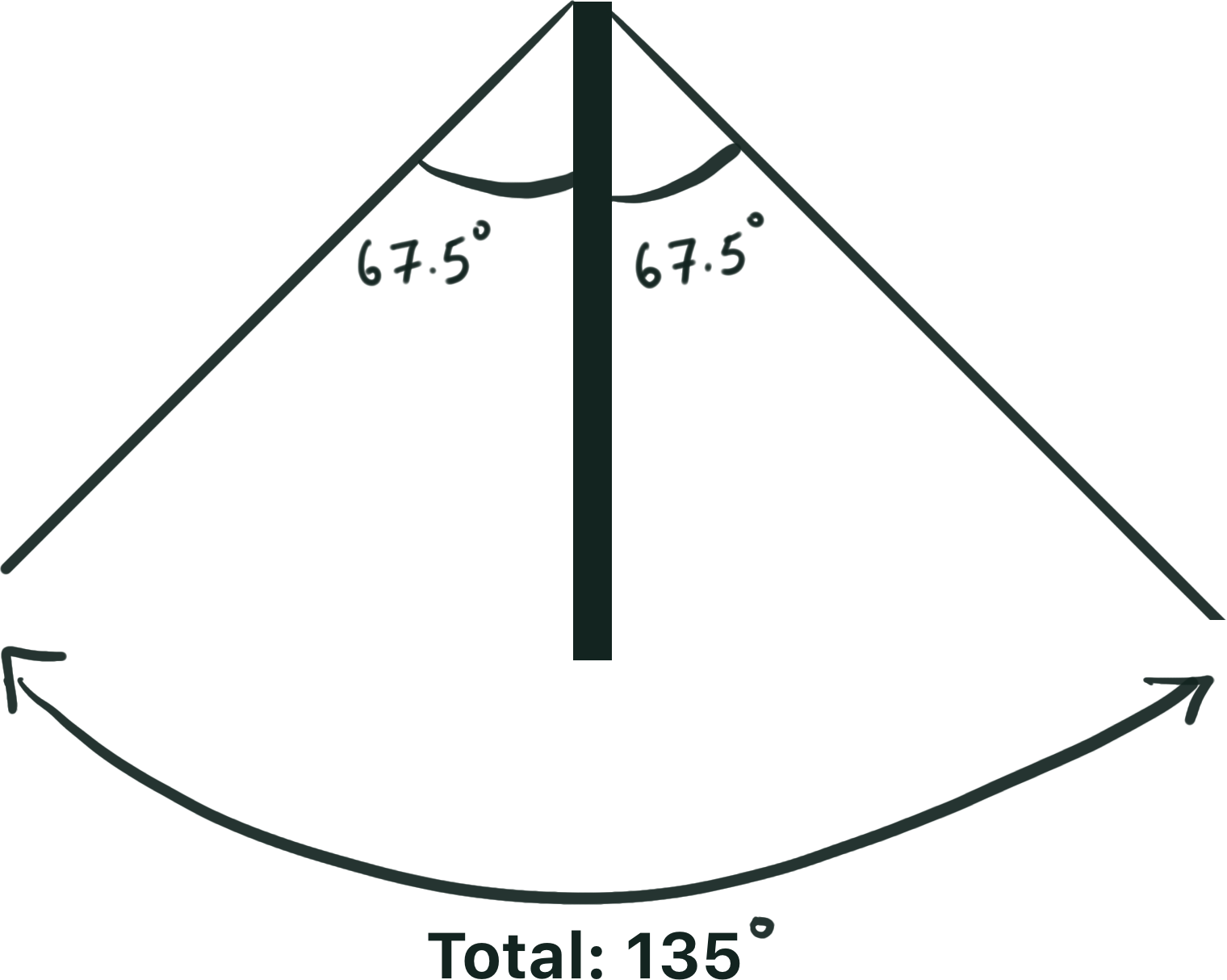
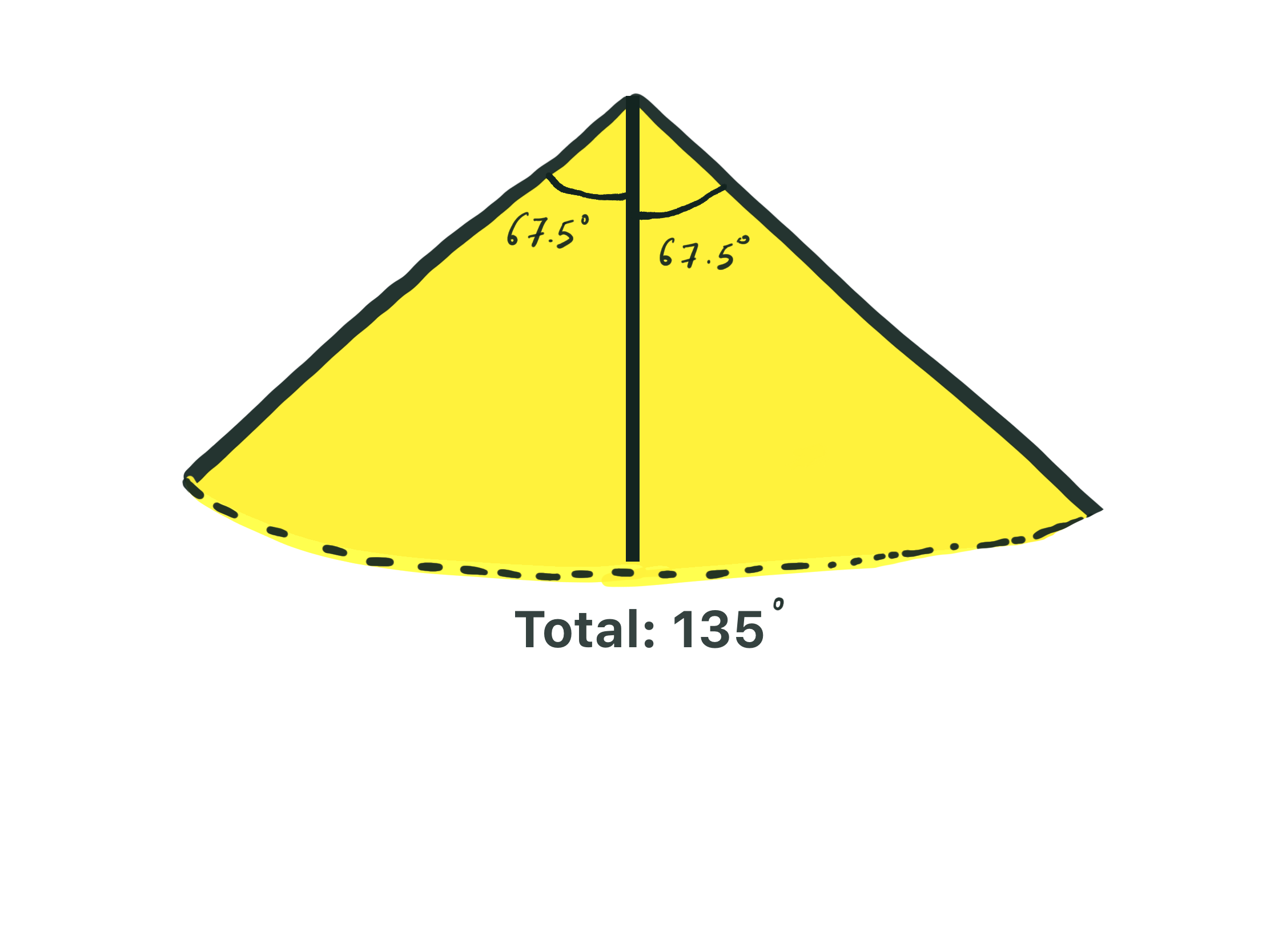
c. Sternlight means a white light placed as nearly as practicable at the stern ii showing an unbroken light over an arc of the horizon of 135° and so fixed as to show the light 67.5° from right aft on each side of the vessel.
rule21_4

d. Towing light means a yellow light having the same characteristics as the sternlight defined in paragraph (c) of this Rule.
rule21_5

e. All-round light means a light showing an unbroken light over an arc of the horizon of 360°.

f. Flashing light means a light flashing at regular intervals at a frequency of 120 flashes or more per minute.

Related:

  • Annex I - Positioning and technical details of…
  • IALA Buoyage System
  • Convention on the International Regulations for…
  • ISPS code - A measure to enhance the security of…
  • BLU Code - Code Of Practice For The Safe Loading And…
  • Marine Sextant - Principle and Errors

By Capt. Angad S Cheema Filed Under: Part C- Lights and Shapes Tagged With: colregs, definitions, rule21

Comments

  1. Asif says

    November 1, 2020 at 3:04 pm

    There is a mistake in part b, its written “arc of the horizontal of 112.5°” instead of “arc of the horizon of 112.5°”

    Reply
    • Cult of Sea says

      November 2, 2020 at 8:30 am

      Appreciate you pointing it out! have fixed the typo, thanks!

      Reply

Leave a Reply Cancel reply

Your email address will not be published. Required fields are marked *

mariner-gps
Sail Time
Simple Colregs COS Ad

Join Our List

Subscribe to our mailing list and get interesting stuff and updates to your email inbox.

Powered with ♥ by Cult of Sea

instagram-button

What others are reading

Tanker Loading

OIL TANKER OPERATIONS (Loading) – Conventional Tanker Basics

Vessel Size Groups

SART

What is SART – Search and Rescue Radar Transponder?

Ship's Speed Log

Ship’s Log and Log Distance

Ships overtaking

Rule13 – Overtaking

Bill of Lading

Maritime – What is a Bill of Lading (B/L)?

The Marine Chronometer featured image

The Marine Chronometer

Employment Agreement

Seafarers employment agreements – MLC 2006

Harmonized System of Survey and Certification

Harmonized System of Survey and Certification (HSSC)

pyrotechnics

Pyrotechnics

Regulation 15

Control of operational discharge of oil (Machinery Spaces)

Bridge Navigational Watch Alarm System (BNWAS)

Formal Safety Assessment Cover

Formal Safety Assessment (FSA) – Guidelines for use in IMO Rule Making Process

The provisions of MERCHANT SHIPPING ACT 1958 regarding Certificate of Registry

Cargo Conditioning, Reliquefaction – Gas Tankers


About Us | Terms | Contact Us | Sitemap | Marine Glossary (BETA)

Cult of Sea®™ · Made with ❤ by a small band of sailors